

When doing laundry, many people believe that more soap equals cleaner clothes. However, this is one of the most common mistakes in the home. Excessive soap can cause more problems than it solves: from clothes with soap residue to increased water and energy consumption.
In this article we explain how to identify if you are using too much soap and what to do to optimize your washes, especially if you use bar soap like FAMA, which with its concentrated formula is ideal for making the most of your laundry without wasting any.
Signs you're using more soap than necessary
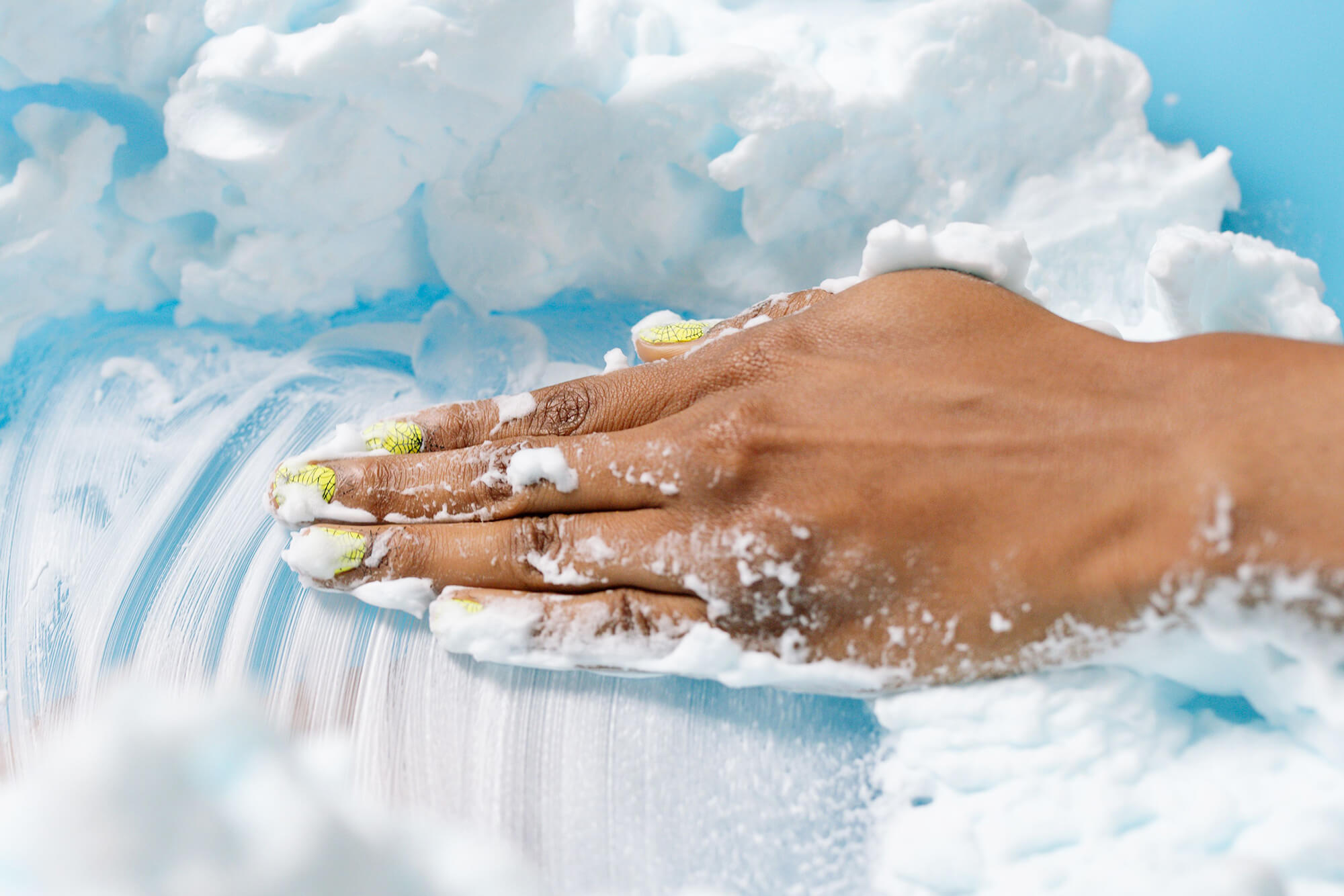
- Too much foam. A rich lather might seem like a sign of cleanliness, but it's actually the opposite. If it takes a long time to disappear or seems endless, you're using too much soap.
- Slippery or sticky clothing. A well-rinsed garment should not feel sticky to the touch. That feeling indicates that there are still soap residues in the fibers.
- White spots or dull appearance. If your clothes, especially dark ones, come out with white marks after drying, the soap has not been removed properly.
- Excessive soap smell. A light, fresh scent is ideal. If the fragrance is too strong or persistent, you're overloading the system.
- Skin irritation. People with sensitive skin may notice itching or dryness when there are traces of detergent on their clothes.
- Very long rinse cycles. Some washing machines detect excessive foam and lengthen the process, which means more energy consumption.
- Blockage in dispensers or drains. Excess soap can build up in the washing machine system, affecting its performance over time.
Why more soap doesn't mean better cleaning
Soap's job is to loosen dirt so water can wash it away. But once the optimal amount of soap is reached, any excess becomes a hindrance.
- It makes rinsing difficult. Too much foam encapsulates the dirt, preventing it from being properly removed.
- It generates waste. Soap that is not completely rinsed off remains in clothes, affects their texture, causes stains, and can irritate the skin.
- It wears out clothes. The chemical residues that remain in the fibers cause faster deterioration. Learn more ways to care for fabrics here.
- Water consumption increases. To remove excess soap, more rinses are needed, which increases your water and energy consumption, resulting in less effective washing. sustainable and environmentally friendly.
How to avoid excessive use of soap
The solution lies in adjusting the quantities. These tips can help:
- Use the amount recommended by the manufacturer.
- Consider the type of soap (bar soap like FAMA lasts longer than liquid detergent).
- Adjust the quantity according to the level of dirt and the load.
- If you use FAMA, cut small portions for each wash, apply it with a sponge or brush, and rinse with plenty of water.
Conclusion: wash better, not more
Using more soap not only doesn't guarantee better cleaning, but it also puts at risk the quality of your clothes, the efficiency of your washing machine, the care of your hands (if you're washing by hand), and of course, your wallet.
With FAMA bar soap, you don't need large quantities: its concentrated power cleans thoroughly, cares for clothes and lasts longer.
Opt for a more conscious, efficient and sustainable washing.